Table of Contents
Introduction
There's nothing quite like the feeling of floating through fresh powder on a perfectly maintained snowboard. I still remember my first real powder day in Colorado – I was so excited about the 18 inches of fresh snow that I completely forgot my board hadn't been waxed in weeks! What followed was a frustrating day of sticking to flat sections and watching my friends glide effortlessly past me. That day taught me a valuable lesson: proper snowboard maintenance isn't optional for powder riding – it's essential!
Whether you're a seasoned powder hound or just getting into the backcountry scene, knowing how to maintain your powder-specific snowboard can make the difference between an epic day and a disappointing one. Powder boards have unique characteristics that require special attention. The wider nose, tapered tail, and specific base designs all demand proper care to perform at their best when you need them most.
In this guide, I'll share the maintenance techniques I've learned over 15+ years of chasing powder stashes across North America. From waxing secrets to off-season storage, I've made all the mistakes so you don't have to! Let's dive into everything you need to know about keeping your powder board in prime condition.
Understanding Your Powder Snowboard

Before getting into the nitty-gritty of maintenance, you gotta understand what makes a powder snowboard different. My first dedicated powder board sat in my closet for half a season before I realized I was maintaining it all wrong! I was treating it just like my park board, and it was performing terribly in the deep stuff.
Unique Design Elements
Powder snowboards have specific design features that influence how they should be maintained. Typically, they feature wider noses for better float, tapered tails for maneuverability, and often a setback stance to keep your weight toward the back. The base material is usually sintered rather than extruded, which matters a ton for maintenance.
Sintered bases have a more porous structure that holds wax better but also requires more frequent waxing. When I first learned this, it explained why my powder board seemed to "dry out" faster than my other boards. I was waxing it on the same schedule as my extruded-base park board, and that just wasn't cutting it.
Core Construction and Storage Implications
The core construction of powder boards also tends to be different. They often use specialized wood cores that provide specific flex patterns ideal for powder riding. This affects how you should store your board and what temperature waxes you should use. I once stored my powder board flat on a cold concrete floor over summer, and by the next season, the core had warped! Lesson painfully learned.
Edge Profile Considerations
Another crucial difference is the edge profile. While park and all-mountain boards often have full-length steel edges, many powder-specific models feature partial edges or beveled edges near the nose and tail. This affects your edge maintenance routine significantly. Early in my powder boarding days, I made the mistake of giving my powder board aggressive edge tuning like I would for hardpack conditions. I ended up with a board that caught too easily in soft snow and ruined some epic powder runs.
Base Profile and Structure
The base profile also varies widely among powder boards. Many feature rocker sections in the nose or a full rocker profile, which reduces the amount of edge contact with the snow. This is fantastic for floating in powder but requires a different approach to base maintenance to ensure proper flex and performance. Understanding these design elements is crucial because each feature of your powder board requires specific maintenance attention.
And here's something that took me years to figure out: the base structure matters enormously for powder performance. Factory-structured bases often come with patterns optimized for specific snow conditions. Powder-specific structure tends to be deeper and more pronounced than what you'd want for hardpack or spring conditions. I've experimented with different base structures over the years, and I can tell you firsthand that maintaining the right structure for powder makes a significant difference in how well your board performs in the deep stuff.
Essential Maintenance Tools
Let's talk about the tools you need to keep your powder slayer in top condition. When I first got serious about snowboard maintenance, I tried to get by with just a cheap iron and some wax. Big mistake! I ended up scorching my base and spending way more at the repair shop than I would have on proper tools.
Here's what's in my maintenance kit now:
| Tool | Purpose | Recommended Type | Approximate Cost | | --- | --- | --- | --- | | Waxing Iron | Melting wax evenly without scorching | Snowboard-specific (temperature controlled) | $40-100 | | Wax | Lubricates base for better glide | Temperature-specific, fluorocarbon-free | $15-30 | | Scraper | Removing excess wax | Acrylic, 4-6 inches wide | $10-15 | | Edge Tuner | Maintaining edge sharpness | Multi-angle edge tool | $30-60 | | Base Cleaner | Removing dirt and old wax | Citrus-based or specific snowboard cleaner | $10-20 | | Brushes | Structuring and cleaning base | Brass, nylon, and horsehair set | $30-50 | | P-tex | Repairing base damage | Clear and black sticks | $5-10 | | Gummi Stone | Removing burrs from edges | Medium grit | $10-15 | | Diamond Stone | Fine edge finishing | Fine grit | $20-30 | | Vise or Board Support | Holding board steady | Foldable or table-mounted | $30-100 |
I learned the hard way that using household items as substitutes just doesn't cut it. I once tried using a regular clothes iron to wax my board and couldn't get the temperature right. Some spots didn't melt the wax properly, while others got too hot and damaged the base. A proper snowboard-specific waxing iron with temperature control is absolutely worth the investment.
For wax, I've tried literally dozens of brands and types over the years. For powder boards specifically, I recommend slightly softer waxes than what you might use for groomed runs. The temperature rating should match the snow conditions you expect to ride in. When I ride in Japan, where the powder is typically colder and drier, I use a different wax than when I'm in the maritime snow of the Pacific Northwest.
The biggest game-changer in my maintenance routine was investing in a good set of brushes. For years, I just waxed and scraped my board, not realizing that proper brushing creates that micro-structure in the base that makes such a difference in powder. A brass brush for initial structuring, followed by nylon and then horsehair for finishing, makes a world of difference in how your board performs in deep snow.
Edge tools are another area where quality matters. Powder boards may not need the aggressive edges that carving boards do, but maintaining the right edge angle and smoothness is still important. I've found that a multi-angle edge tool with 1° and 2° options gives me the versatility I need for my powder board.
And don't forget about protection for your working surface! I ruined a kitchen table early in my DIY maintenance days by getting wax everywhere and scratching it with tools. A dedicated work area with proper lighting makes maintenance easier and prevents domestic disputes about wax drippings on the floor (trust me on this one).
One last thing I've added to my kit recently is a portable temperature gauge. Knowing the exact snow temperature helps me choose the right wax, and it's helped me dial in my powder board's performance significantly. These little gadgets aren't expensive, but they make a big difference in getting your maintenance just right for the conditions.
Pre-Season Snowboard Preparation

When the first snow reports start rolling in, I get as excited as a kid on Christmas morning! But before I throw my powder board on the rack and head to the mountains, I always go through a thorough pre-season prep. This routine has saved me from many first-day disappointments.
The first time I skipped this process, I showed up for an early-season powder day only to discover my board's edges were rusty, and the base was completely dried out. I spent the day fighting my equipment instead of enjoying the fresh snow. Never again!
Start by giving your board a thorough inspection. Pull it out of storage and look for any obvious issues—core shots, edge separations, binding problems, or delamination. I once found a mouse had chewed part of my sidewall during summer storage! Better to discover these problems at home than on the mountain.
Next, check your bindings completely. Tighten all screws (but don't overtighten and strip them like I did one season), look for cracks in the highbacks or baseplates, and make sure the straps and ratchets are functioning properly. I also recommend removing the bindings completely to check for any corrosion underneath and to give the board a proper base treatment.
For the base prep, start with a good cleaning. Even if you cleaned your board before storage, dust and contaminants have likely settled in. I use a specific base cleaner, though in a pinch, a citrus-based cleaner diluted with water works too. Apply it sparingly with a clean cloth, working from tip to tail. Let it dry completely before the next step.
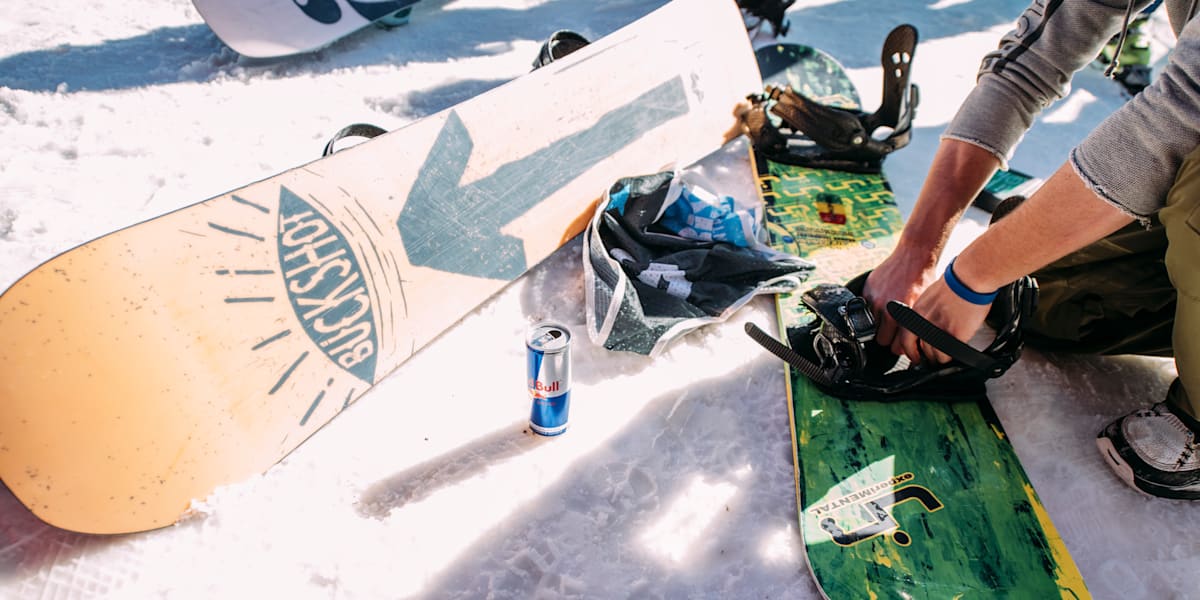
Now comes the critical part for powder boards: the base repair. Powder snow is actually quite abrasive, and small nicks in your base create drag that's especially noticeable in deep snow. I use a p-tex candle to fill any small gouges, smoothing them flush with a metal scraper after they cool. For bigger core shots, I recommend professional repair—I learned this lesson after a DIY repair failed catastrophically on a Japan trip.
Once your base is repaired and clean, it's time for a hot wax treatment. For pre-season, I do what I call a "conditioning wax"—a thorough hot wax that I let cool overnight before scraping. This gives the wax maximum time to penetrate the base material. For powder boards specifically, I sometimes repeat this process 2-3 times before the season starts. A well-waxed powder board performs dramatically better than a dry one.
Edge tuning for powder boards is different than for hardpack-focused boards. I generally detune the contact points slightly and maintain a less aggressive edge angle—usually 1° base and 1° side edge, rather than the sharper angles I might use on a carving board. This prevents catching an edge when floating through powder. I use a diamond stone for final polishing to remove any burrs that might catch in the snow.
Finally, I set up my bindings with my powder stance—typically setback further than my all-mountain stance for better float. I mark the stance position on my board with a permanent marker so I can easily reset it if needed during the season.
I complete this ritual by applying a layer of fluorocarbon-free wax appropriate for early season temperatures, scraping thoroughly, and brushing to create the right structure. When I'm done, my board isn't just ready—it's actually thirsty for powder!
This whole process usually takes me 2-3 hours, but it's time well spent. There's nothing worse than waiting all summer for powder only to have your equipment let you down when the snow finally falls.
Regular Maintenance Routines

Keeping your powder board performing at its peak doesn't end with pre-season prep. Developing a regular maintenance routine makes all the difference between epic powder days and frustrating slogs. I've refined my routine over years of trial and error, and it's saved me countless times.
Frequent Waxing Schedule
After every 3-4 days of riding, I give my powder board a fresh coat of wax. This might seem excessive to some, but powder snow—especially dry, cold powder—can strip wax from your base surprisingly quickly. I noticed the difference immediately when I started waxing more frequently; my board maintained its float and glide much longer throughout the day.
Here's my simple between-rides routine:
-
Clean the base with a gentle cleaner or just a damp cloth if it's not too dirty
-
Check for any new damage that needs repair
-
Apply a thin layer of the appropriate temperature wax
-
Scrape thoroughly after cooling
-
Brush progressively with brass, nylon, and finally horsehair brushes
The whole process takes me about 30 minutes now that I've got it down. I typically do this the evening before a powder day so the board has time to completely cool and rest before riding.
Edge Maintenance Approach
For edge maintenance during the season, I take a less-is-more approach with powder boards. I'll check edges for burrs or rust and gently remove them with a gummi stone. Unlike with my carving board, I'm not looking for razor-sharp edges on my powder board. In fact, slightly detuned edges (especially near the contact points) can prevent catching and make for smoother powder turns.
Post-Ride Care
After particularly wet days—like when the powder turns to spring slush in the afternoon—I make sure to dry my board thoroughly when I get home. Moisture left on edges can cause rust surprisingly quickly. I once left my board in my car overnight after a slushy spring day, and by morning, tiny rust spots had already formed on the edges. Now I always wipe down the board and let it dry at room temperature.
Hardware and Structural Checks
I also regularly check my binding mounting screws. The vibrations from riding can gradually loosen them, especially on powder days when you're bouncing through variable snow. A loose binding can ruin your day and potentially damage your board's inserts. I carry a small tool in my jacket and check the screws at lunch break, especially on deeper days when your board is constantly flexing.
One thing I've learned to pay special attention to is the nose and tail of powder boards. These areas flex the most in deep snow and can develop stress cracks in the topsheet if not properly maintained. I regularly inspect these areas for early signs of delamination or topsheet separation. Catching these issues early has saved me from more serious damage multiple times.
Every few weeks during the season, I also check the base structure. Powder boards benefit from a slightly deeper structure than all-mountain boards, and this structure can get compressed over time. I use my brass brush more aggressively every few waxes to refresh this structure. The difference this makes in float and glide through powder is remarkable—it's like upgrading your board for free.
By sticking to this routine, I've extended the life of my powder boards significantly and, more importantly, maximized their performance on those precious powder days we all live for. The small time investment pays huge dividends when you're floating effortlessly while others are struggling to maintain speed and balance in the deep stuff.
Waxing Techniques for Powder Performance
For optimal powder performance, use cold-temperature wax appropriate for conditions, with special attention to the nose section of your board. Clean your base thoroughly with a citrus-based cleaner before applying wax using the drip method, holding your waxing iron a few inches above the board to let wax drip evenly across the entire base. For powder specifically, apply wax more heavily than you would for groomed runs, ensuring complete coverage with extra attention to the nose that will be plowing through deep snow all day.
Let the wax cool completely—ideally overnight—before scraping and brushing. For powder days, don't scrape as thoroughly as for hardpack conditions; leaving slightly more wax, especially toward the nose, helps with flotation in deep snow. Use a plastic scraper and work from nose to tail in long, even strokes before following up with a nylon brush to bring out the structure in your base, which helps channel moisture away as you ride.
The final brushing is crucial for powder performance. Use a horsehair or similar finishing brush and give your base at least 50 strokes from tip to tail to create microscopic structures that reduce suction in deep snow. Those extra few minutes of careful brushing can save you endless frustration on long powder traverses where glide efficiency makes all the difference.
Base Repair and Conditioning
Regular inspection is your first line of defense against serious damage. After each day riding, thoroughly check your base for gouges, core shots, or edge damage, addressing problems immediately to prevent water intrusion into your core that can ruin a board. For minor scratches and gouges, use p-tex candles that match your base color—clean and dry the damaged area completely, let the p-tex drip into the damage, building it slightly higher than the surrounding base, then use a metal scraper to level the repair once cool.
For significant damage where core material is visible, consider using a two-part epoxy repair system for a stronger, more durable fix than p-tex alone. Base conditioning is another often-overlooked aspect of powder board maintenance—the porous sintered bases used on quality powder boards need regular conditioning to prevent them from drying out and becoming slow and more susceptible to damage.
Apply a thin layer of wax every 3-4 days on the mountain as a "quick wax" that doesn't need scraping—just apply a thin layer, iron it in, and let it absorb overnight. If your base looks white or chalky, it's dried out and needs hydration through multiple treatments of soft hydrocarbon base wax. Don't forget your edges either; while powder riding doesn't stress them like carving on hardpack, a light touch-up with an edge tool after about 5-7 powder days keeps them free from rust and ready for unexpected icy patches.
Storage Practices Between Seasons
Proper off-season storage is crucial for specialized powder boards that might see less use than your daily driver. Start with a thorough cleaning using a basic solution to remove dirt and grime, followed by a base cleaner to prepare for storage wax. Then apply a generous layer of all-temperature storage wax that you won't scrape off—this thick layer protects your base from drying out and prevents oxygen from reaching the edges, which prevents rust during the long summer months.
Storage position and location significantly impact your board's condition. Store your board flat whenever possible, not standing on tail or nose, as vertical storage can lead to warping over time, especially in fluctuating temperatures. If space constraints force vertical storage, alternate the position occasionally to prevent uneven pressure. Choose a location with consistent temperature away from extremes, high humidity, or direct sunlight, which can cause delamination issues and fade your topsheet.
Consider loosening your bindings or removing them completely for long-term storage to prevent pressure points on your board's core and allow it to maintain its natural flex pattern. Conduct a mid-summer check for any developing issues like delamination or edge rust, as catching problems early can save your gear. When snow season approaches, give yourself ample time before the first big powder day to remove the storage wax and properly prepare your board for optimal performance.
When to Seek Professional Help

Despite our best DIY efforts, certain snowboard issues require professional attention. Deep core shots that penetrate into your base material need proper cleaning, filling, and restructuring that only a shop with specialized tools can provide effectively. Edge damage, particularly rolled or separated edges from rock impacts, is another area where professional repair prevents compromising your board's structural integrity and ensures edges are properly reset.
Delamination issues—when layers of your board begin separating (often appearing as bubbles between layers)—absolutely require immediate professional intervention to prevent the problem from spreading. Shops use specialized epoxies and clamping systems unavailable to most home mechanics that can save a board if addressed early. Base structure problems affecting snow flow, especially important for powder performance, can be resolved with a professional stone grind that creates optimal structure patterns to prevent suction in wet, heavy snow.
Timing matters when seeking professional help—avoid the rush before major holidays or powder events by having powder-specific maintenance done early season. Building a relationship with a good technician at your local shop pays dividends when you need emergency help before a powder day, and these professionals can provide customized advice for your specific board and riding style that goes beyond general maintenance guidelines.
Troubleshooting Common Powder Board Issues
Every powder enthusiast has experienced those frustrating moments when their board just doesn't perform as expected in the deep stuff. I've had my share of disappointing powder days before I learned to diagnose and fix the most common issues. One particularly memorable trip to Whistler involved me constantly sinking in the back seat while my riding partners floated effortlessly. After much trial and error (and a bit of wounded pride), I discovered my stance was set up all wrong for my new powder-specific board!
Sluggish Performance and Lack of Float
If you're experiencing sluggish performance in powder, first check your wax situation. A board that feels like it's constantly getting stuck or lacking glide in flat sections likely needs fresh wax appropriate for the temperature.
However, don't overlook your stance settings! For powder-specific boards, moving your bindings back 1-2 inches from your normal position can dramatically improve flotation. I was amazed at how this simple adjustment transformed my riding experience mid-day during that Whistler trip. Your weight distribution should favor the back foot slightly on deeper days, but not so much that you can't maneuver effectively.
Unpredictable Turning and Diving Issues
Unpredictable turning or diving in powder often points to edge issues or improper base structure. If your board unexpectedly catches an edge or dives beneath the snow during turns, check if your edges are too sharp for the conditions - this is especially common if you've recently had them sharpened for hardpack riding. A quick pass with a fine diamond stone can slightly dull them for better powder performance.
Similarly, base structure that's too smooth creates suction in certain snow conditions. If your board feels like it's being pulled down into the snow, especially in wetter powder, you might need a shop to add deeper structure lines to break that suction effect. I once spent half a day fighting my board in spring powder conditions before realizing the perfectly smooth base I'd maintained for late-season groomer speed was working against me entirely!
Conclusion
Maintaining your powder snowboard isn't just about extending its lifespan – it's about maximizing every precious powder day experience. After all, those deep days don't come around often enough to waste them fighting with poorly maintained equipment! I've gone from being the guy constantly bogging down in flat sections to floating effortlessly through the deepest snow, and proper maintenance was a huge part of that transformation.
Remember that consistency is key. Small maintenance tasks done regularly prevent major issues down the road. Develop a routine that works for you – maybe it's a quick inspection after each day on the mountain, a thorough waxing every third day out, and a complete overhaul at season's end. Whatever schedule you choose, sticking to it will pay dividends in performance.
Don't be afraid to experiment a bit, especially with waxing techniques. Different powder conditions might call for slight variations in your approach. Take notes on what works best for you in various conditions – wet spring powder behaves very differently than bone-dry mid-winter fluff!
Finally, share your knowledge with others. Some of the best maintenance tips I've learned came from fellow riders in lift lines or lodges. There's a wonderful community aspect to snowboarding, and helping others enjoy powder days more fully through better maintenance practices just adds to the stoke.
What maintenance practices have made the biggest difference in your powder riding? Do you have any specialized techniques for specific conditions? Drop your thoughts in the comments below – I'm always looking to refine my approach!